William Riley
1802
Overview
In 1793, John Graves Simcoe, Lieutenant Governor of Upper Canada (now Ontario) passed a law that banned any further importation of enslaved people into Upper Canada. Up to that time Americans who had fought for the British in the American Revolution, known as “Loyalists,” had been allowed to bring their movable property, including enslaved African Americans, into the province.
Soon after, enslaved men, women, and children began crossing the border to find freedom in Canada.
The first documented story of a freedom seeker who crossed at Niagara Falls is that of a Virginia-born enslaved coachman named William Riley. When his daughter, Mary Ann Guillan, was seventy years old, she told his remarkable tale to Janet Carnochan. Carnochan was a nineteenth century Canadian teacher and historian who lived in what is now the Canadian village of Niagara-on-the-Lake. Located twelve miles north of the Falls, Niagara-on-the-Lake was well-known for its “colored village,” where most local Black families resided. By the 1850s, Niagara’s “colored village” had a population of about 400 people.
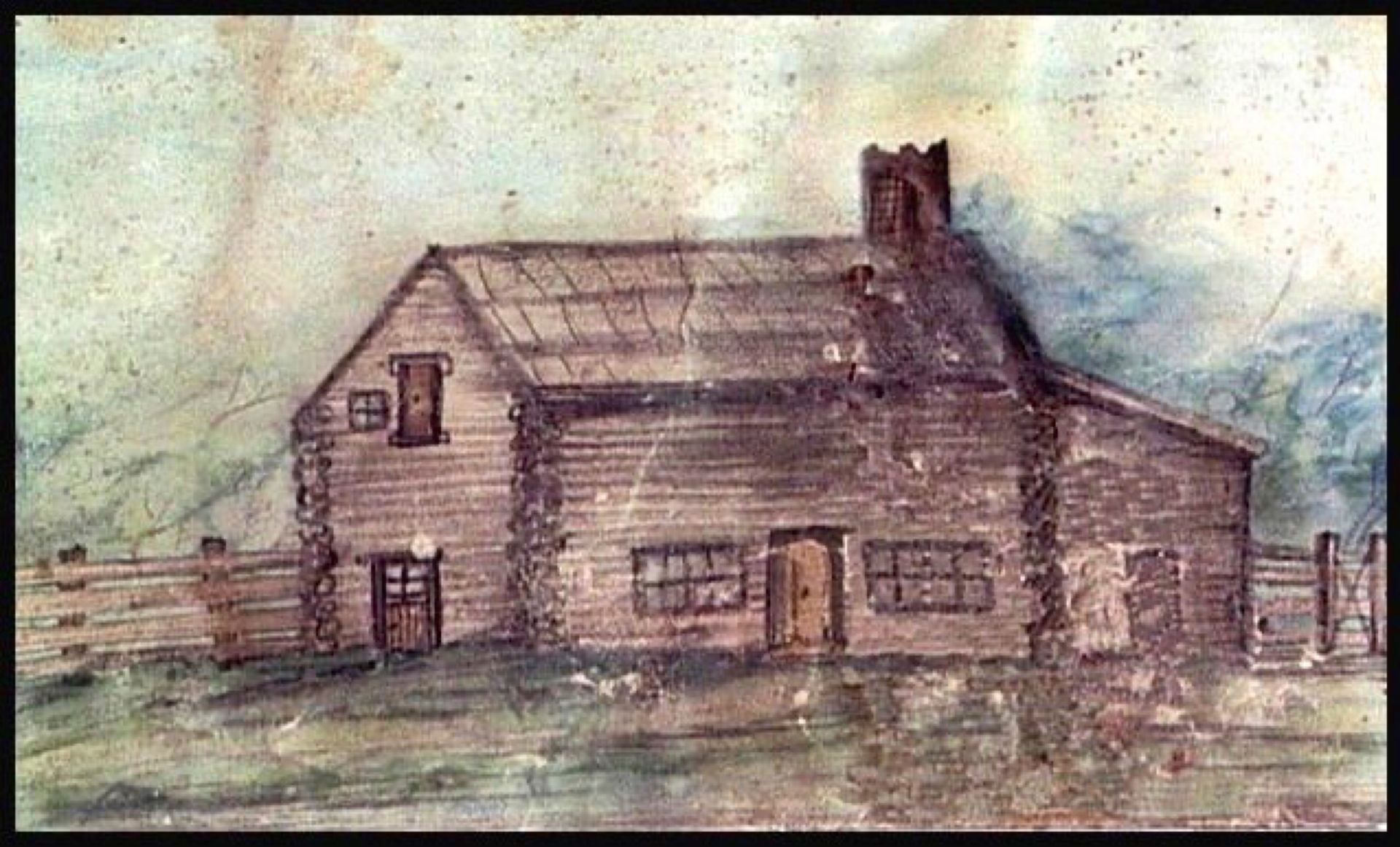
Yes, I could tell you about the old times. I was born in Niagara in 1824 and my father came here in 1802. He was a slave. No, he did not run away. He came with his master all the way from Fredericksburg, Virginia, driving the carriage with six horses, his master bringing his money in bags, enough to last him; he came all that way to see the Falls, and stayed at Black Rock [now part of Buffalo] a while. My father was the coachman, and though his master was not cruel like some masters, my father was always afraid he might be sold off to work in the cotton fields, and a gentleman from Niagara, Mr. D., told him he could easily escape and come to Niagara where there were many colored people. So he hid in the corn fields. It was September, and oh, the misery my father was in when September came; he had his dark days every year, for he remembered lying out at night, the cold, and the fright of being taken, and little to eat, and the rain, oh! The children did not like when that time of the year came, for he never forgot it, and he was down, down then. But I must go back to my story. At last his master had to go back without his coachman, although he waited a long time, and then my father came to Niagara where he bought a little piece of land here in Colored Village. That is a picture of the log house. No, it is not standing now. Mrs. ------ took a picture of it for me before it was pulled down, and I have had it framed as you see.
Mary Ann Guillan, “A Slave Rescue in Niagara Sixty Years Ago,” Niagara Falls Historical Society Publication No. 2, 1897. Taken from Digitus - Online Exhibitions from the Thomas Fisher Rare Book Library, accessed February 20, 2024, https://fisherdigitus.library.utoronto.ca/document/7211.
Image: Riley Home, 1829. Mary Ann Guillan donated artifacts to the new Niagara-on-the-Lake Museum, including this painting of the Riley home. William Riley built this house in 1829 in the “Colored Village” at what today is Niagara-on-the-Lake. He lived here with his wife Fanny, a local woman of German birth. She had been employed by the Reverend Richard Addison, the Anglican minister, who performed their wedding ceremony. The Rileys raised three children in this house, along with three grandchildren. William Riley died in 1860, on the eve of the Civil War. This painting was produced shortly before the Riley homestead was demolished in the 1880s.