"P. Whitney & Sons, proprietors of the Cataract House, at the Falls of Niagara, keep in their employ as servants, a set of free negroes who have wives and relatives over in Canada, and who are engaged in schemes for taking off all slaves which come to the Cataract House."
Letter from J.S. Evans, July 27, 1841, Georgia Journal and Messenger, August 12, 1841.
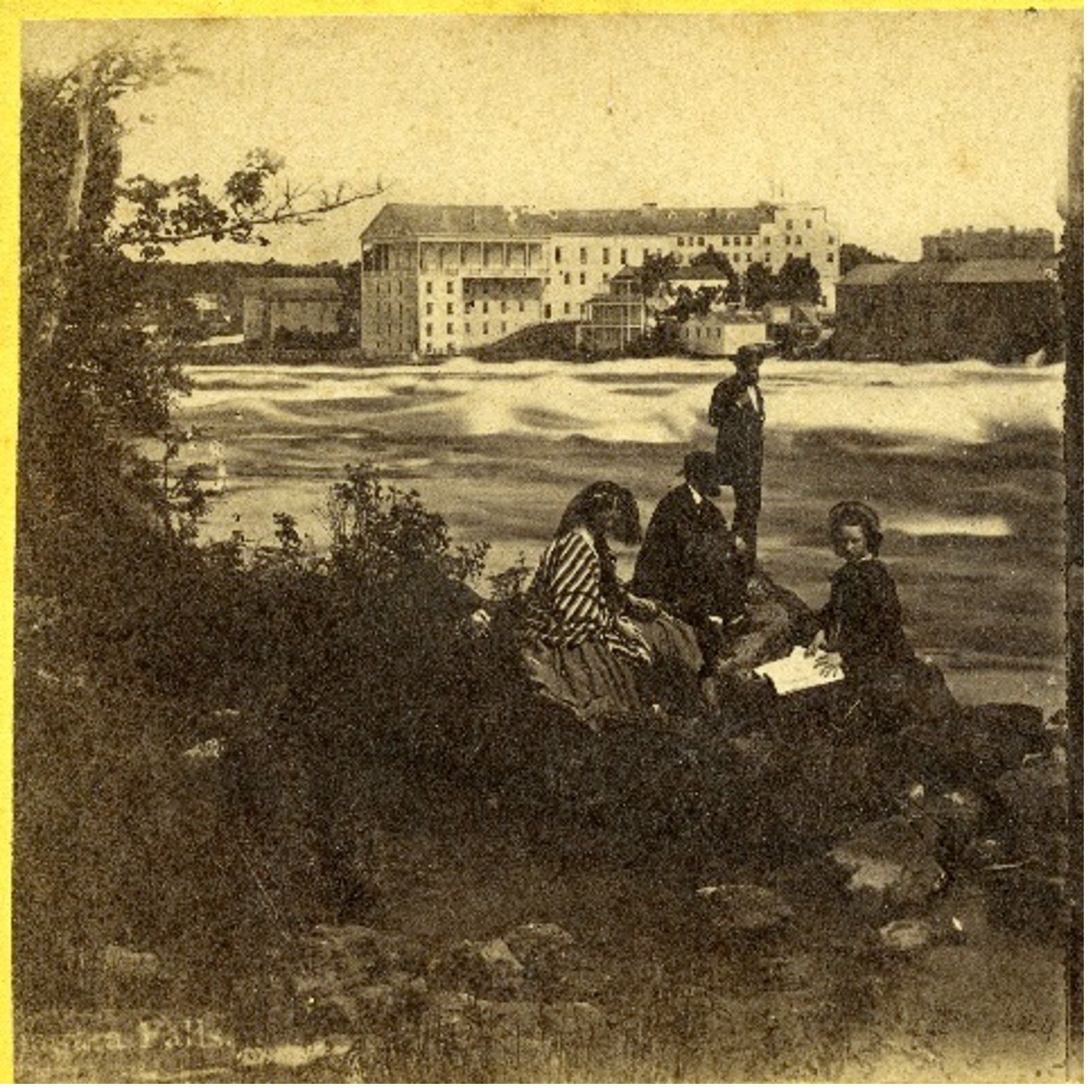
Awe-inspiring and intensely dramatic, Niagara Falls attracts tourists from all over the world. Yet it was also a crucial Underground Railroad border crossing between the United States and Canada. For more than two decades, the all-Black wait staff at the Cataract House hotel rowed hundreds of men, women, and children across the quarter-mile wide Niagara River from slavery in the U.S. to freedom in Canada.
Reaching the opposite shore, freedom seekers went directly either to homes of allies or to sympathetic Black waiters at the elegant Clifton House hotel in Niagara Falls, Canada. African Canadians sent incoming refugees on to places of greater safety and ready employment, including Niagara-on-the-Lake, St. Catharines, Brantford, Hamilton, and Toronto.
Recognizing that the Underground Railroad was a transnational network, this project focuses on the Niagara River borderlands in the context of the larger Black-led abolitionist networks operating collaboratively between the American and Canadian shores. People also escaped across the Niagara River at Buffalo, Lewiston, and Youngstown. After 1855, many people made their way by foot, carriage, or railroad across the new Suspension Bridge, located just north of the Cataract House.
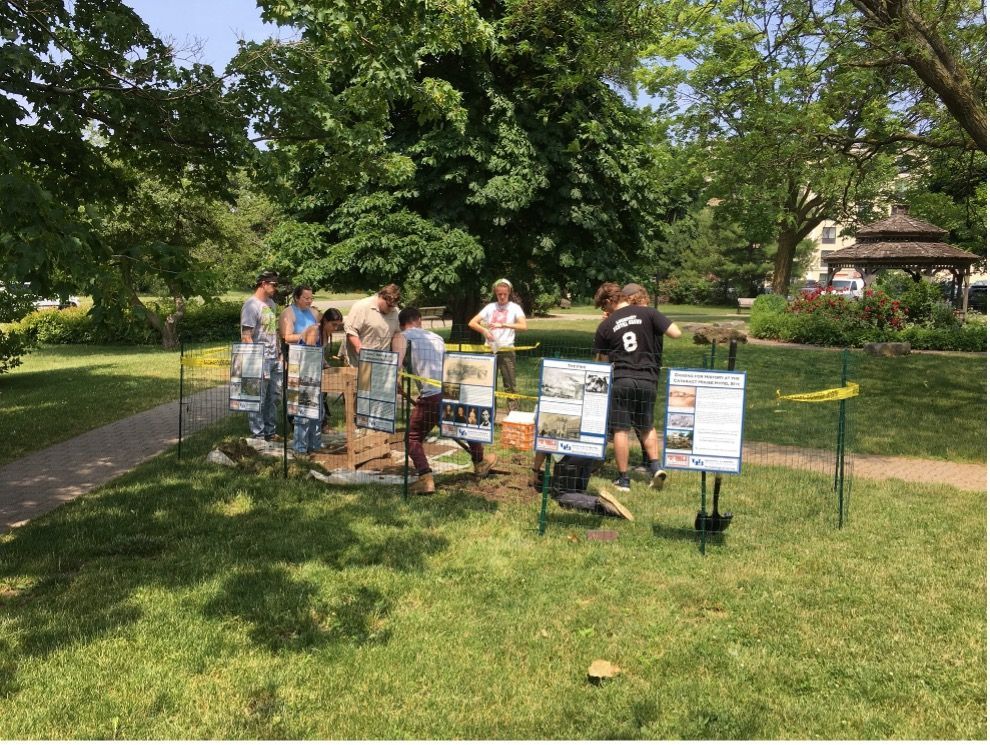
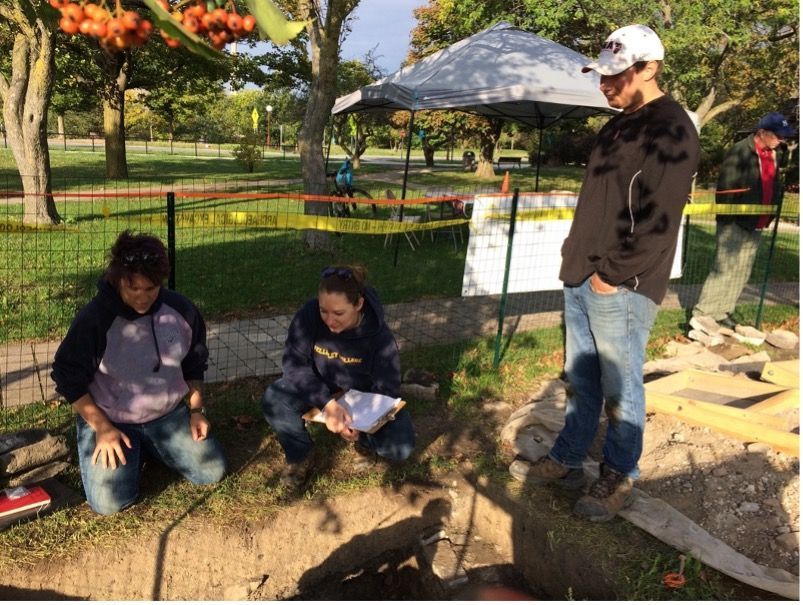
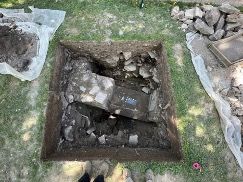
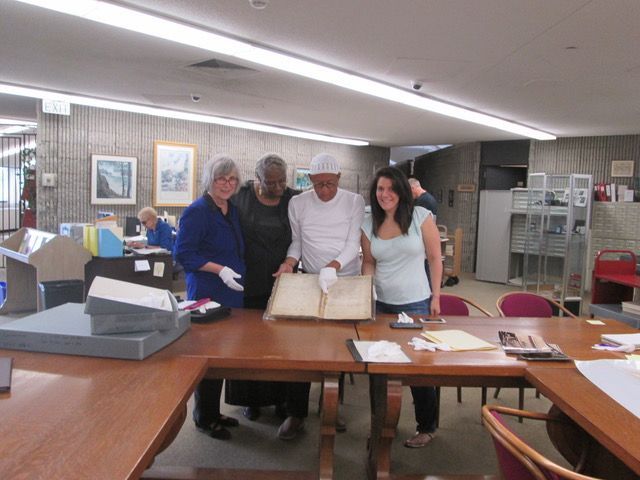
Combining archaeological excavation at the former site of the great hotel with intensive historical research, scholars, students, and members of the public are gaining and sharing knowledge about one of the busiest Underground Railroad stations on the Niagara frontier.
Explore this website to learn more about the refugees who crossed the river in Niagara Falls. Here you will find information about people who escaped from slavery on the Underground Railroad, the intrepid waiters at the Cataract House, those who helped freedom seekers once they reached what is now Ontario, and the Cataract House hotel itself as the setting for the epic transnational struggle between slavery and freedom.